
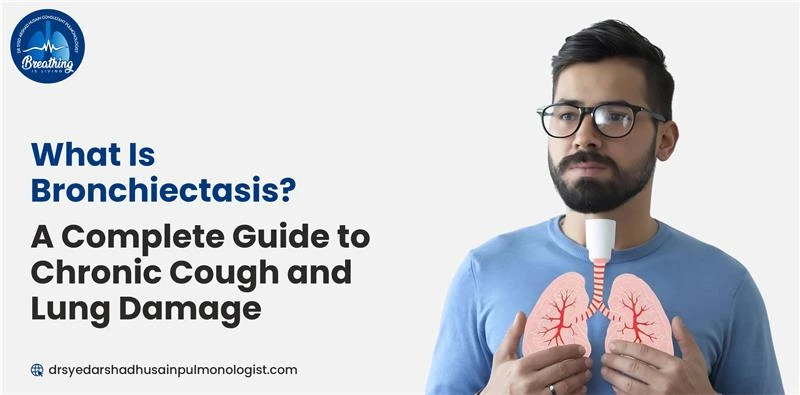
A persistent cough with daily mucus is not always a minor problem. It can be a sign of bronchiectasis, a condition that slowly damages the airways over time. Early diagnosis and proper care can help people breathe easier and stay active.
A nagging cough that just won’t go away often gets ignored. Many in the UAE think it is caused by dust, weather changes, constant air conditioning, or frequent colds. But in reality, a persistent cough with mucus, repeated chest infections, or trouble breathing could signal a deeper lung issue that needs medical attention. One such issue is bronchiectasis, a condition many overlook, though it can cause serious lung damage if untreated.
What Is Bronchiectasis?
Bronchiectasis is a long-term lung disease that happens when the airways called bronchi get wider and suffer damage. This damage makes it hard for the airways to remove mucus. As a result, mucus collects, making it easy for bacteria to grow.
With time, this process causes ongoing infections, swelling, and even more harm to the airways. This condition does not happen instantly. It takes years to develop, so many people deal with the bronchiectasis symptoms for a long time before they consult a specialist.
What Causes Bronchiectasis?
Bronchiectasis happens for many reasons. Some people get it after serious or repeated lung infections in childhood or later in life. For others, issues with their immune system, untreated tuberculosis, inhaling harmful substances, or having asthma for a long time might lead to it.
This condition becomes concerning when people mention having chest infections that never go away. In the UAE, many patients delay checking it because they think their symptoms are caused by environmental issues instead of lung problems.
Bronchiectasis Symptoms You Need to Watch Out For
Catching bronchiectasis symptoms can stop your lungs from getting more damaged. At first, the signs might seem small, but they can become worse.
These are some common bronchiectasis symptoms:
- A cough that doesn’t go away for months or even years
- Producing thick mucus every day
- Getting chest infections often and needing antibiotics
- Feeling short of breath when moving around
- Tightness or wheezing in the chest
- Feeling tired or drained
Many people get used to these bronchiectasis symptoms and think they are just a part of normal life. This mindset often causes delays in getting treatment.
Understanding Diagnosis of Bronchiectasis
Doctors do not rely only on symptoms for the diagnosis of bronchiectasis. Scans play an important part in confirming it.
A chest high-resolution CT (HRCT) scan acts as the most reliable method to diagnose bronchiectasis. This scan provides clear images of the dilated airways. Doctors also use tests like sputum cultures, lung function checks, and blood work to figure out the cause and decide on a treatment plan.
The diagnosis of bronchiectasis makes a big difference. Identifying it helps slow the disease’s progress more.
Bronchiectasis Treatment and Management
There is no single medication that cures bronchiectasis. Managing it involves focusing on long-term care, stopping infections, and keeping the lungs healthy.
The main priorities in bronchiectasis treatment are:
- Techniques to clear the airways and physiotherapy for the chest
- Quick action to treat infections
- Using inhaled medicines if needed
- Addressing health problems that cause airway damage
Sticking to regular bronchiectasis treatment helps avoid flare-ups and cuts down on hospital trips. Every treatment plan has to fit the patient since one approach might not work for everyone.
Why Picking the Right Specialist Is Important
Bronchiectasis lasts a lifetime. Managing it means more than just treating infections; it takes regular monitoring and adjusting treatments as things change.
Experience plays a key role here. Dr. Syed Arshad Husain is recognized for his careful and patient-centered method in dealing with chronic lung issues. Instead of addressing symptoms, he analyses into patterns of the disease, pinpoints what causes flare-ups, and creates long-term plans to manage the condition.
People don’t just look for top bronchiectasis doctors because they have medical skills. They also value doctors who can explain the illness and track their progress. Having a dependable specialist like Dr. Syed can improve how someone lives with this condition.
Adjusting to Life With Bronchiectasis in the UAE
Managing bronchiectasis in the UAE comes with its own challenges. Shifting temperatures, air conditioning, dust, and viral infections can make symptoms worse.
Daily habits play an important role in health. Drinking enough water, clearing your airways, avoiding smoking or secondhand smoke, and getting quick treatment during infections help manage health better. People who see top bronchiectasis doctors often notice early symptoms and take action faster.
Managing Chronic Lung Problems
Bronchiectasis is not someone’s identity, but ignoring it can hurt lung health over time. Getting evaluated, following proper bronchiectasis treatment, and listening to specialists allow many people to keep their symptoms under control and stay active.
If you think a chronic cough or frequent infections are "just normal," it might signal the need to check again. Seeing a specialist can make a big difference in how the disease progresses.
Conclusion
Living with bronchiectasis can feel frustrating, especially when symptoms like cough and infections keep coming back. But the condition doesn’t have to take away your quality of life. With early diagnosis, the right treatment, and regular follow-ups, many people are able to breathe better, stay active, and avoid repeated hospital visits. Listening to your body and not ignoring ongoing symptoms is one of the kindest things you can do for your lungs.
If a long-standing cough or frequent chest infections have started to feel normal, it’s worth getting a proper opinion. Reach out to Dr. Syed Arshad Husain Pulmonologist in the UAE for a careful assessment and a treatment plan that fits your everyday life.